
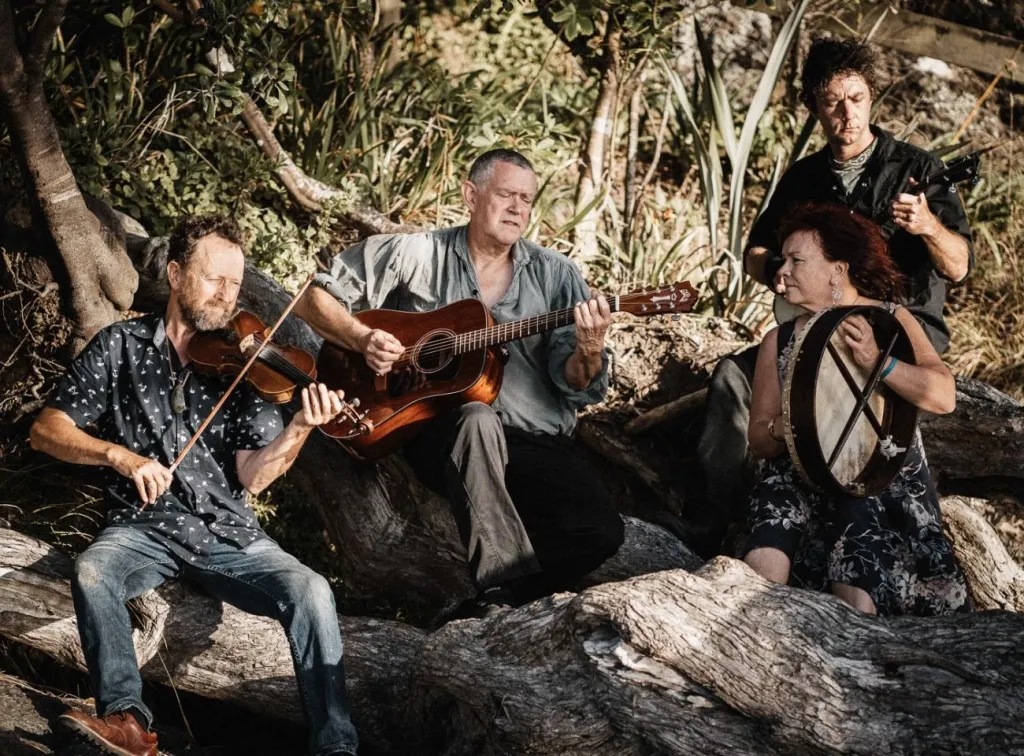
New Zealand folk bands deserve more attention than they usually get in global music coverage. Aotearoa has a rich musical culture, but listeners outside the country often hear only a small part of it. Beyond mainstream pop and indie rock, there is a deep and rewarding world of Kiwi folk, New Zealand bluegrass bands, harmony-led acoustic groups, singer-songwriters, club performers, and festival regulars who have helped shape a distinct local roots tradition. This music is not simply imported British or American folk with a different accent. It carries its own sense of place, shaped by regional communities, storytelling, road culture, local history, and the social life of clubs and festivals.
For a new listener, the best way to understand the scene is to think of it as a broad family rather than a narrow genre. Some artists lean toward traditional folk, others toward bluegrass, country-folk, acoustic harmony, or contemporary roots songwriting. What connects them is not one fixed sound but a shared emphasis on songs, musicianship, and live performance. In New Zealand, folk music has long thrived in intimate spaces where audiences listen closely, sing along, and value personality as much as polish. That is one reason why the scene continues to feel approachable. It invites people in rather than holding them at a distance.
This guide is designed as a practical starting point for anyone who wants to explore New Zealand folk bands properly. It highlights the styles that matter, the kinds of artists worth knowing, the role of festivals and clubs, and the easiest ways to build a first listening path. If you want to go deeper into one branch of the scene, start with our guide to New Zealand bluegrass bands, then continue with our overview of New Zealand folk festivals and the wider history of bluegrass in New Zealand.
What Makes New Zealand Folk Music Distinctive
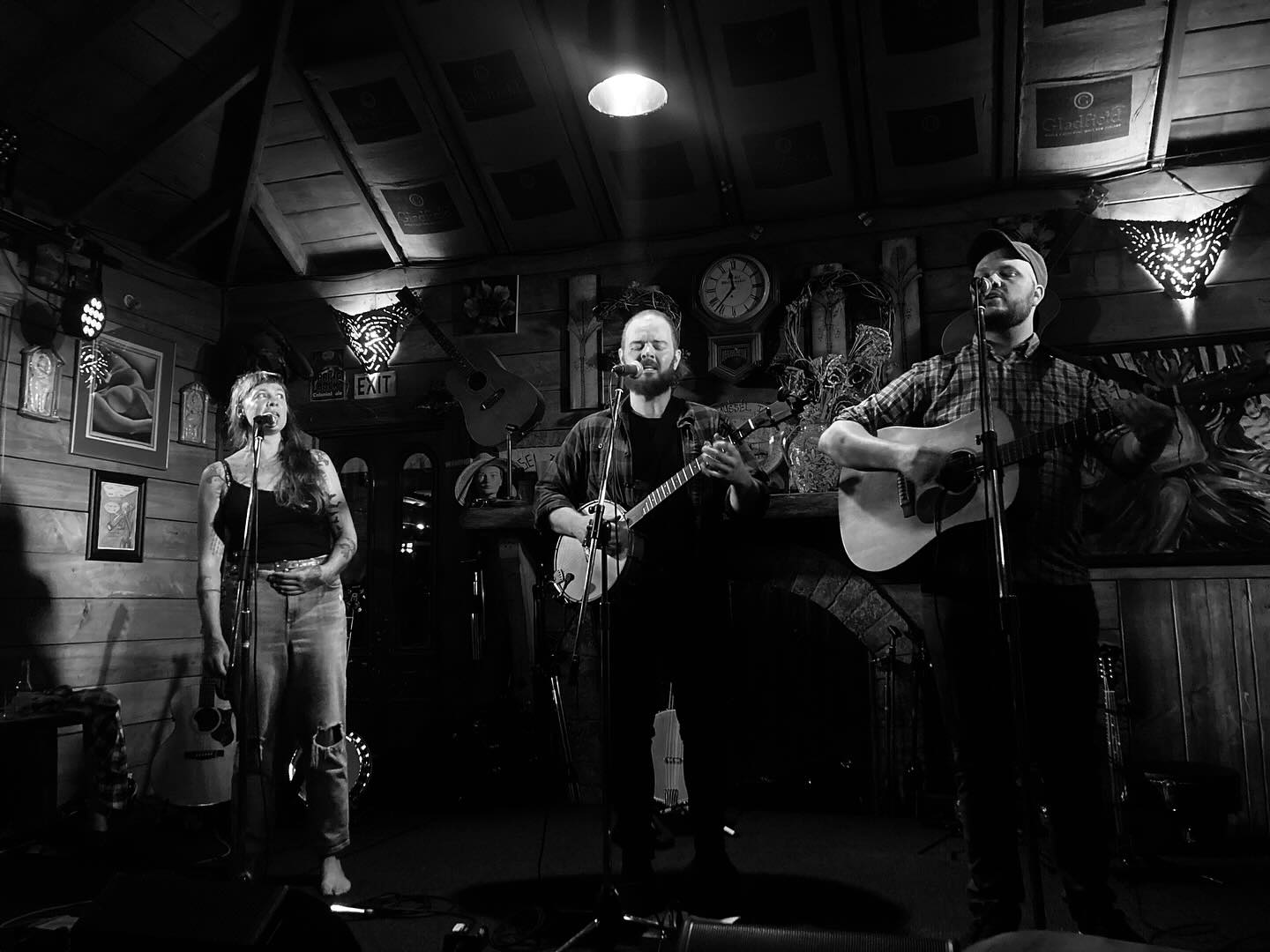
The defining quality of New Zealand folk music is its balance between tradition and local character. Folk in Aotearoa has always been connected to wider English-language traditions, but it developed its own identity through local songs, regional performers, community clubs, and a strong culture of live participation. Instead of sounding like a museum piece, the best Kiwi folk music feels lived-in. It often values clarity over excess, emotional honesty over grand production, and atmosphere over speed. Even when a band borrows from American bluegrass or Celtic traditions, the end result often feels rooted in New Zealand landscapes and social spaces.
Another important feature is the overlap between genres. In New Zealand, the border between folk, acoustic country, bluegrass, roots, and singer-songwriter music is often flexible. A harmony-led quartet may appeal to bluegrass listeners, a folk club audience, and acoustic pop fans at the same time. This makes the scene easier to enjoy than strict genre labels suggest. For visitors and newer listeners, that is good news: you do not need to know every subgenre to find music you love. You only need to know what kind of listening experience you want.
Folk, Bluegrass, Acoustic and Roots: Where the Lines Overlap
When people search for New Zealand folk bands, they are often also looking for acoustic groups, roots acts, or bluegrass-flavoured performers without realizing it. Folk usually centres on songs and storytelling. Bluegrass tends to be more instrument-driven, with banjo, mandolin, guitar, fiddle, bass, and tight vocal arrangements. Acoustic roots sits between them, mixing folk songwriting with country, blues, or Americana textures. In practice, many Kiwi acts move naturally between these worlds, which is one reason the scene remains interesting over time.
Why Community Matters So Much
Unlike heavily commercial music sectors, the folk world in New Zealand has long depended on communities that actively support live music. Clubs, societies, small venues, and annual gatherings have helped artists develop audiences in a way that feels direct and sustainable. This has shaped the music itself. Many performers write and arrange songs for rooms where listeners are close, details matter, and the atmosphere is personal. That is why so much Kiwi folk and roots music rewards attentive listening.
Essential New Zealand Folk Bands to Know
No single list can capture the full scene, but a strong introduction should include artists who represent different corners of the tradition. Some are historically important, some are stylistically influential, and some are simply great entry points for modern listeners. Together, they show why Kiwi folk bands are worth serious attention.
Foundational and Historically Important Acts
Hamilton County Bluegrass Band is one of the clearest starting points for anyone exploring bluegrass in Aotearoa. Their place in New Zealand music history makes them essential for understanding how banjo-led, harmony-rich acoustic music reached wider audiences. Waves belongs in any broader folk conversation as well, especially for listeners who enjoy melodic, harmony-based acoustic songwriting. The group’s sound shows how New Zealand folk could be thoughtful and accessible at the same time.
Another name that matters in the context of this domain is Wires & Wood. They are a useful example of how the bluegrass line remained active in New Zealand well beyond the earliest generations of the scene. Their presence helps connect classic folk-club traditions to more modern roots audiences. That continuity is important because it shows that New Zealand folk is not only historical material. It is a living practice.
Modern and Cross-Genre Listening Picks
Modern listeners should also be open to artists and bands who operate on the edge of folk rather than inside its most traditional forms. That includes acts with strong acoustic foundations, country-leaning songwriting, or roots-based live arrangements. In New Zealand, part of the fun is hearing how singers and bands adapt inherited forms into something contemporary. Some audiences come to folk through harmony groups, some through country crossover, and some through intimate songwriting. All of these are valid entry points.
- Start with bluegrass: choose bands built around banjo, mandolin, and ensemble playing.
- Start with harmony: choose acoustic groups with strong vocal blend and melodic songwriting.
- Start with modern roots: choose artists who connect folk tradition with contemporary emotional writing.
Bluegrass in New Zealand
New Zealand bluegrass bands form one of the most distinctive branches of the local folk world. The style has always appealed to musicians who value precision, energy, and strong interplay between instruments. In a good bluegrass performance, every part matters: the rhythm guitar supports the movement, the banjo adds drive, the mandolin gives lift, the bass anchors the groove, and the vocals bring warmth or urgency depending on the song. This combination makes bluegrass especially effective in live rooms, where the communication between players is visible as well as audible.
What makes Kiwi bluegrass especially appealing is that it rarely feels like imitation for long. Influences from abroad are obvious, but local performers often bring a different pace, a different emotional tone, and a stronger sense of intimacy. The music can feel less competitive and more communal. For many listeners, that creates a warmer entry point than harder-edged versions of the genre.
If bluegrass is the part of the scene that interests you most, the natural next step is our dedicated guide to the best New Zealand bluegrass bands, where you can explore the style in more detail.
Acoustic Bands and Song-First Listening
Many people who end up loving New Zealand folk bands begin with acoustic music rather than with traditional folk labels. That makes sense. Acoustic arrangements allow songs to breathe. You hear the lyric more clearly, notice how the harmonies are built, and feel the touch of the players. In the New Zealand context, this can produce a beautifully direct style of music that feels ideal for quiet listening, road trips, or late-night albums played from start to finish.
The strongest acoustic acts tend to share three qualities. First, they write songs that hold together even without studio enhancement. Second, they understand space and restraint. Third, they deliver performances that sound human rather than overworked. This is one reason so many Kiwi roots recordings age well. They are built on songcraft, not trend-chasing production choices.
The Albums and Recordings That Help Define the Scene
A serious music blog should not only name artists; it should help readers know where to begin. In folk and roots music, albums still matter because sequencing, mood, and arrangement shape the listening experience in a deeper way than scattered singles. For New Zealand listeners, acoustic and folk albums often act as maps into a scene. One good record can lead you toward a club tradition, a festival network, or an entire generation of musicians.
As you build your listening path, look for records that do one of three things well: introduce a key band at its strongest, capture the warmth of ensemble playing, or reveal how local songwriting can sit naturally inside a broader folk tradition. You do not need a huge discography to begin. A small set of carefully chosen albums will teach you more than a random playlist ever will.
If you want the next layer after this homepage guide, our future article on the best New Zealand folk albums should become one of the most useful supporting resources on the site.
Where People Actually Hear This Music
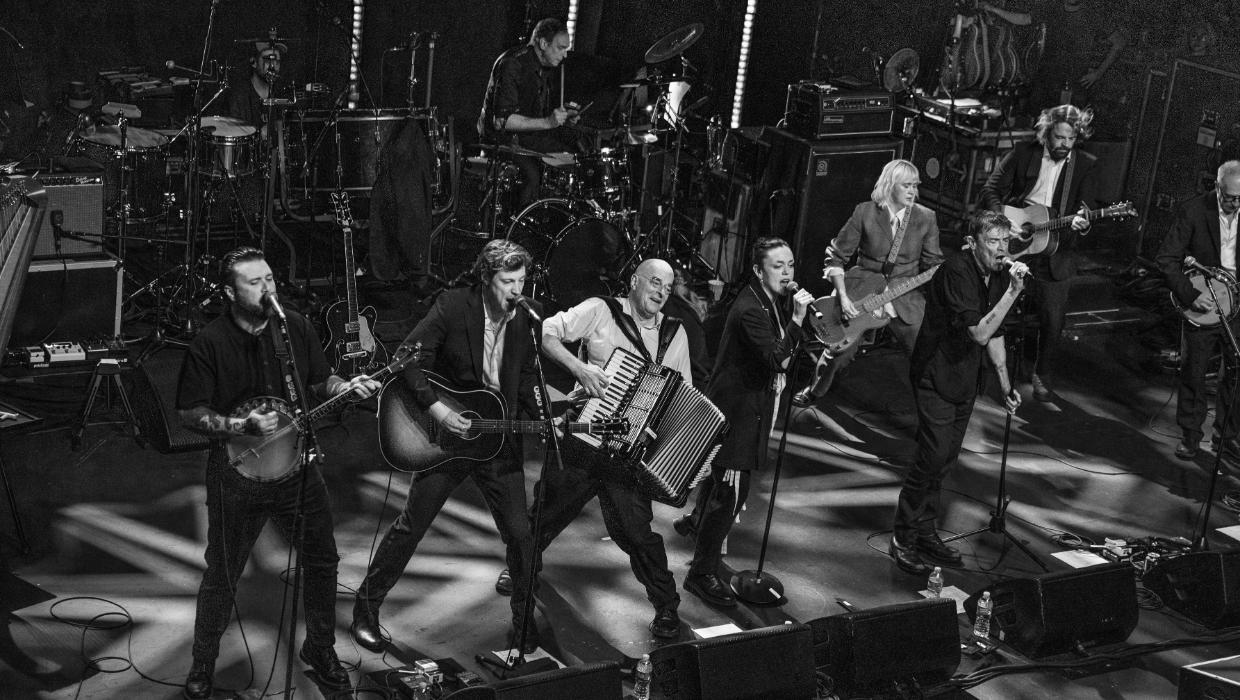
One of the best things about the Kiwi folk world is that it has never been only about recordings. A large part of its identity lives in community settings. New Zealand folk festivals create shared experiences where audiences can hear concerts, join workshops, discover unfamiliar acts, and move naturally between formal performances and informal sessions. These gatherings are often where new listeners stop seeing folk as a niche and start hearing it as a living culture.
Folk clubs matter just as much. They are the places where performers build trust with audiences, where musicians test new material, and where listeners experience the social side of acoustic music. In these rooms, the distance between stage and audience is often small, which makes every strong lyric, every instrumental break, and every vocal blend feel more immediate. That is one reason the folk scene continues to produce loyal, long-term listeners.
To explore this part of the ecosystem in more depth, visit our planned guides on New Zealand folk festivals and local folk-club culture.
How to Start Listening if You Are New to the Scene
The easiest way to enjoy New Zealand folk music is to avoid trying to master it all at once. Start with a simple path. Pick one classic bluegrass-rooted act, one harmony-led acoustic group, and one more contemporary roots artist or singer. Listen for the differences in pacing, arrangement, and mood. Some bands will win you over through instrumental sparkle, others through storytelling, and others through the feeling of a shared room captured on record.
It also helps to listen with context. When a band sounds relaxed, that may reflect a club tradition. When a song feels geographically specific, that often reflects the importance of place in New Zealand writing. When a performance sounds communal rather than individualistic, that may reflect the social history of folk festivals and local music societies. The more you notice these things, the richer the scene becomes.
- Begin with one classic bluegrass-oriented band and focus on the ensemble sound.
- Move to one acoustic harmony group and notice how songwriting changes the mood.
- Add one contemporary roots artist to hear how tradition evolves rather than disappears.
- Follow the music into festivals, clubs, and scene history for a fuller understanding.
Why This Scene Is Worth Following
There are bigger music markets in the world, but size is not the same as value. The reason to follow New Zealand folk bands is not that they dominate streaming platforms. It is that they offer something durable: musicianship, character, and songs that often sound better the longer you live with them. The scene rewards curiosity. It is broad enough to keep expanding, but focused enough that a listener can still feel part of a real musical community.
That makes this a strong topic for a content-driven blog. There is history to explore, albums to recommend, subgenres to explain, festivals to cover, and artists to introduce in a way that is genuinely useful for readers. Instead of publishing shallow listicles, this site can become a practical guide to the best of Kiwi folk, New Zealand bluegrass, and acoustic roots music across generations.
FAQ
What are New Zealand folk bands?
New Zealand folk bands are artists and groups from Aotearoa whose music centres on songwriting, acoustic instrumentation, harmony, storytelling, and roots traditions. The category often overlaps with bluegrass, country-folk, and acoustic roots music.
Is bluegrass part of the New Zealand folk scene?
Yes. Bluegrass is one of the clearest and most interesting branches of the New Zealand folk scene. It has its own history, important bands, and strong links to clubs and festivals.
Are New Zealand folk bands only traditional?
No. Some bands are strongly traditional, but many mix folk with contemporary songwriting, acoustic country, roots rock, or modern singer-songwriter influences.
Where should beginners start with Kiwi folk music?
Beginners should start with a mix of classic bluegrass-oriented bands, melodic acoustic groups, and modern roots performers. That gives a fuller picture of the scene than listening to only one subgenre.
Why are folk clubs and festivals important in New Zealand?
They are important because they help artists develop audiences, keep live acoustic music social and accessible, and preserve the participatory spirit that gives the scene much of its character.